

“Brilliance is evenly distributed, but opportunity is not.” — Linda Kamau
Empowering Africa’s women
Africa is on its way to becoming one of the world’s largest markets, with a young, vibrant population. The continent’s startup scene is defying expectations. Kenya alone has more than 50 tech hubs, and Francophone Africa is quietly cultivating a generation of disruptors.
Yet women are under-represented in Africa’s emerging tech sector: they account for less than 25% of the continent’s tech workforce. To understand how that gets changed, I spoke to someone who’s dedicated her career to lifting women up.
Linda Kamau is the Founder and Executive Director of AkiraChix. Based in Nairobi, AkiraChix’s mission is to provide promising young women in Africa with technology skills to compete economically and bridge the gender gap in tech. The organisation’s codeHive program is the only fully residential tech training program for young women in Africa.
— Joe Kraus, Senior Policy Director, ONE Data
The following interview has been edited for clarity and length. All images courtesy of AkiraChix.
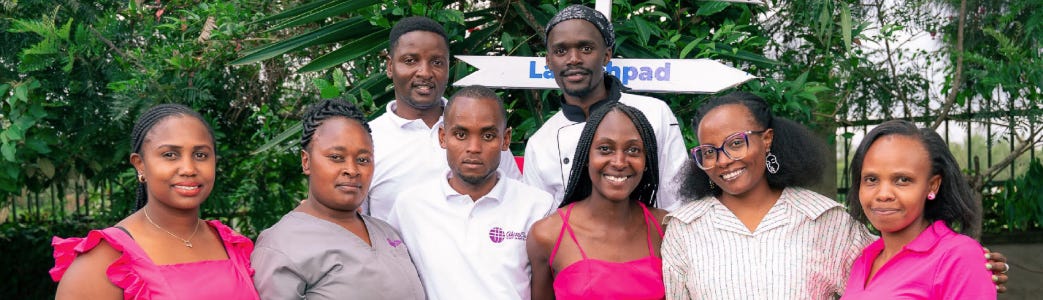
Linda (2nd from the right) and the AkiraChix team
Joe: Kenya’s tech sector has been labeled the “Silicon Savannah.” Why is developing a thriving tech sector so critical for the future of African youth, especially young women?
Linda: There is immense brilliance and untapped potential among Africa’s youth, a generation that holds the key to the continent’s future. It is essential to tap into this talent to develop homegrown solutions to the most pressing challenges. A thriving tech industry creates high-growth and high-income employment opportunities that would help accomplish this.
When girls are included in building technology, the solutions created are more inclusive and responsive to real community needs. Diverse perspectives lead to better products, stronger innovation, and more sustainable development outcomes.
Investing in girls’ participation in tech is not just a gender issue, it is an economic and development imperative.
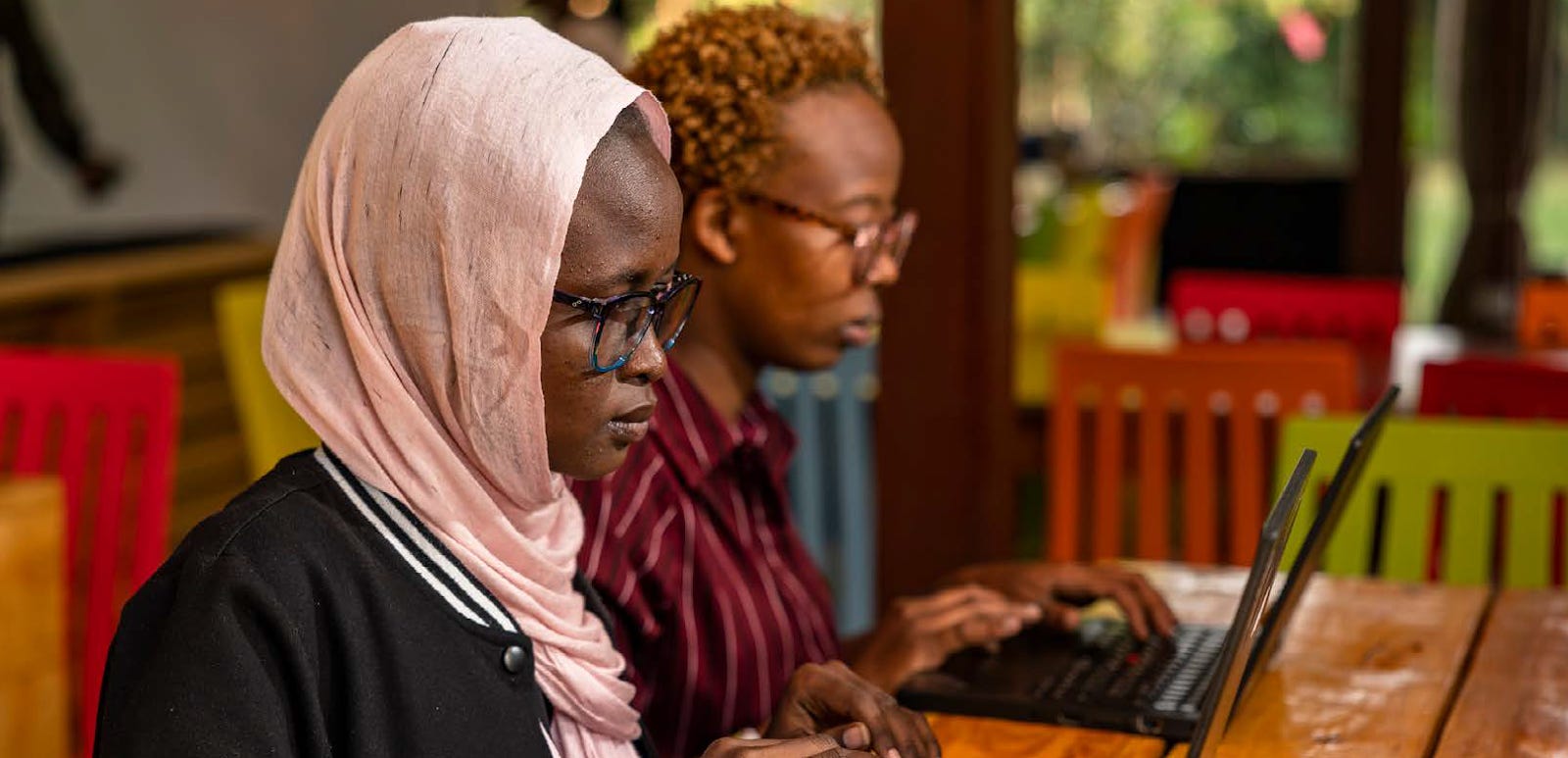
J: Imagine it’s 2050. What is your ideal vision for African women innovators in technology?
L: In my 2050 vision, African women are founders, investors, engineers, and policymakers. Their leadership is no longer the exception but the norm, transforming the tech sector and accelerating inclusive economic development across the continent. The evidence shows that when women are included, industries perform better. Diverse leadership drives innovation, strengthens problem-solving, and contributes to stronger economic growth.
J: What are the major obstacles that could derail that vision from becoming reality?
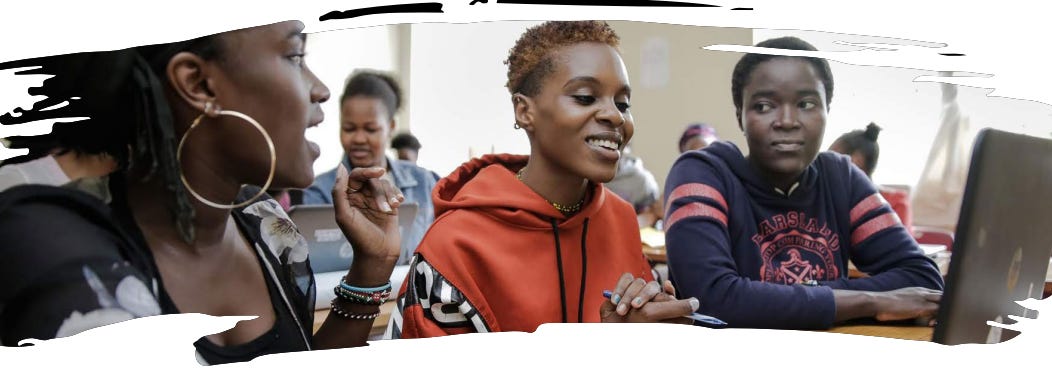
L: One of the major obstacles is the widening gap between academic education and the future of work. The education systems in many African countries are not adequately preparing young women for emerging industries and the evolving demands of the labor market. As a result, many do not have the competencies required for high-growth sectors like technology. This disconnect limits their ability to access job opportunities and compete in a rapidly changing global economy.
Without deliberate reforms to align education systems with the skills required for the future of work, particularly in STEM [science, technology, engineering, and mathematics], young women risk being excluded from the very opportunities that economic transformation is creating.

J: What is AkiraChix doing to help empower Africa’s women?
L: We believe that training young women to enter Africa’s burgeoning tech industry is the single greatest opportunity to improve their economic independence. Rather than traditional classroom instruction, codeHive uses a hands-on, human-centered design approach that fosters creativity, critical thinking, and practical problem-solving. Students graduate not just as coders, but as confident problem-solvers and innovators. The transformation is not just professional, it is deeply personal.
A key part of our success lies in our partnerships with the tech industry. We collaborate closely with tech allies to set inclusive standards for hiring and retaining talent, ensuring brilliant young women who might otherwise be overlooked have the opportunity to succeed.
AkiraChix’s impact to date
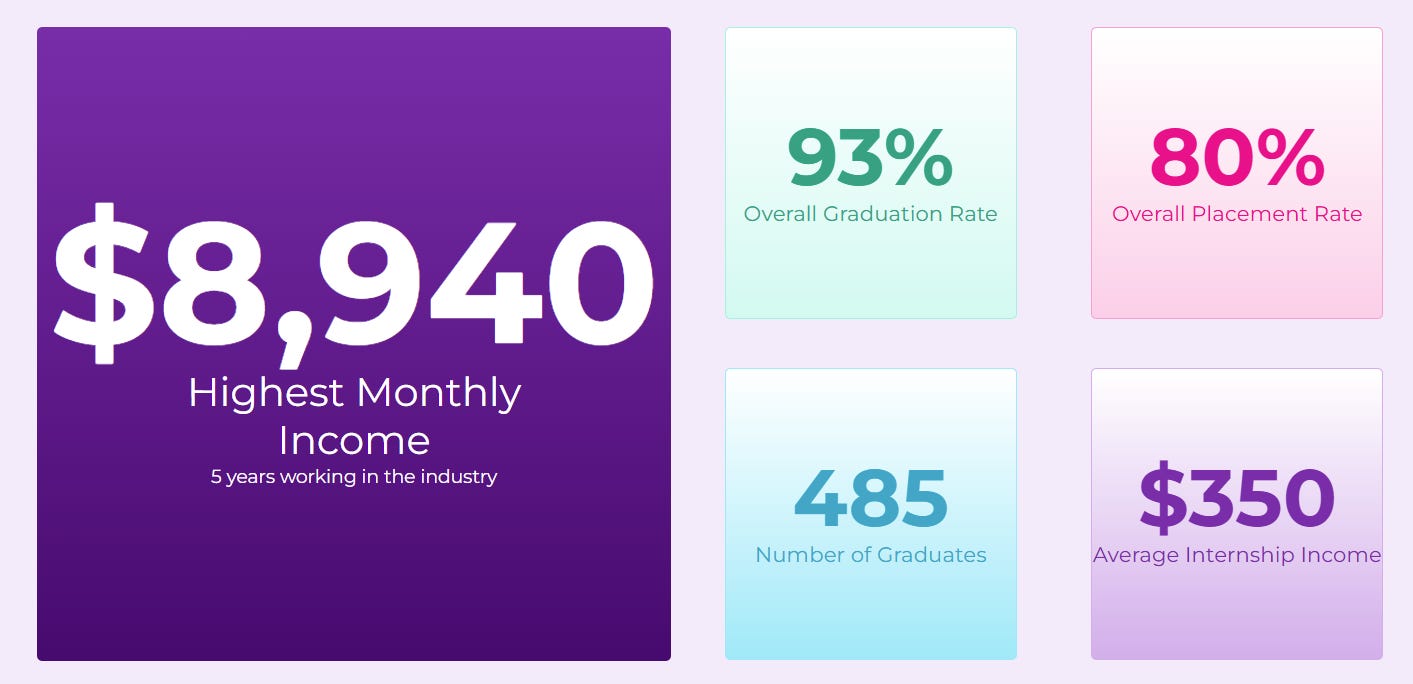
The impact is already evident. Our graduates are securing high-paying jobs earning more than their peers, supporting their families, transforming communities, and influencing conversations and policies in a tech industry that has historically excluded women. They are not just participating in tech, they are shaping it.
Yet, we have only scratched the surface. As we expand across sub-Saharan Africa, our goal is to reach more talented young women who lack access to opportunity.
We believe brilliance is evenly distributed, but opportunity is not.
We’re working to close that gap and ensure young women are not only prepared for the future of work but positioned to lead it.
FROM THE ONE TEAM:
David McNair joined the China in Africa Podcast to discuss why China isn’t Africa’s biggest debt problem.
IN THE QUEUE:
Women globally hold just 64% of the legal rights of men.
China’s effort to shape the news in Africa isn’t finding an audience.
Zambia’s president says Africa should not pick sides in minerals race.
The case for a historic reallocation to emerging markets.
ONE Data provides cutting edge data, tools, and analysis so that we can fight together for a more just world. See for yourself.